 Phone: +8618330222305
 Email: sales08@bdhuazheng.com


Phone: +8618330222305
Email: sales08@bdhuazheng.com
If you've ever commissioned a switchgear panel, you know that a relay setting on paper means nothing until current actually flows. That's exactly why aprimary injection test setmatters. Unlike secondary injection, which only checks the trip unit, primary current injection pushes
View details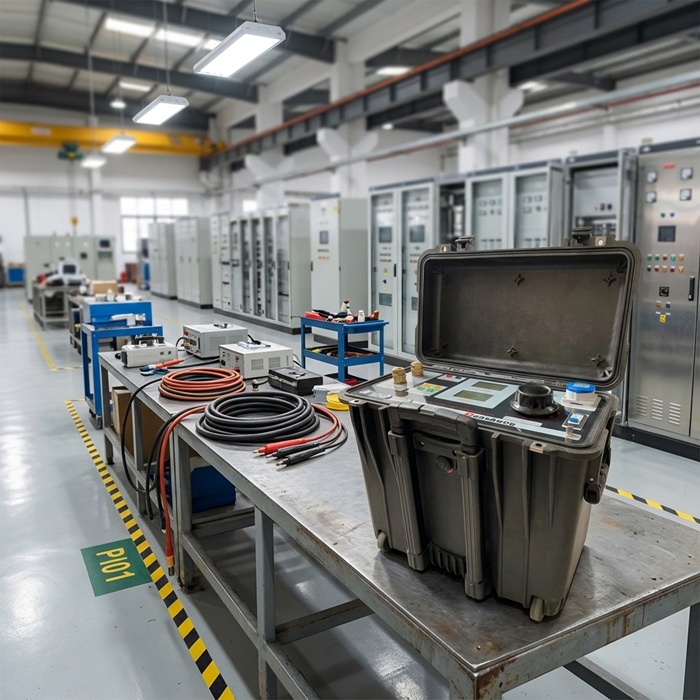
If you have ever chased an overcurrent pickup at midnight with a laptop balanced on a cable tray, you already know the headline amps on a brochure rarely match what happens at the relay terminals. A practicalthree phase relay test setfor routine substation and industrial work needs enoug
View details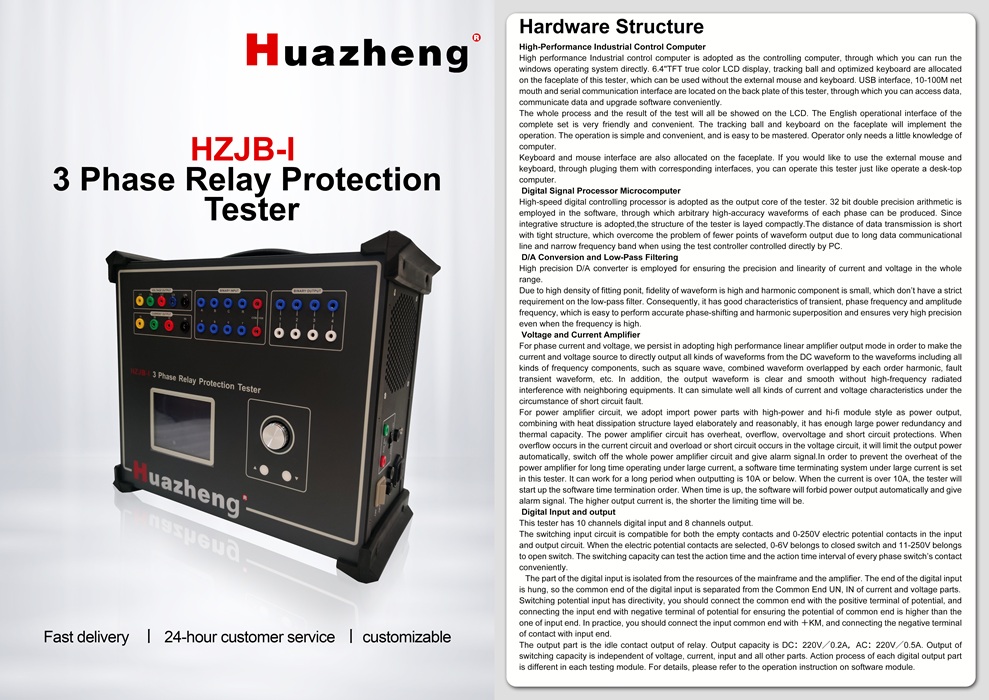
Most transformer failures don't happen on the day of the fault. They happen months later, after a short-circuit current has already weakened the winding geometry and nobody noticed. This delayed-failure pattern is the reason **sweep frequency response analysis (SFRA)** has moved from research la
View details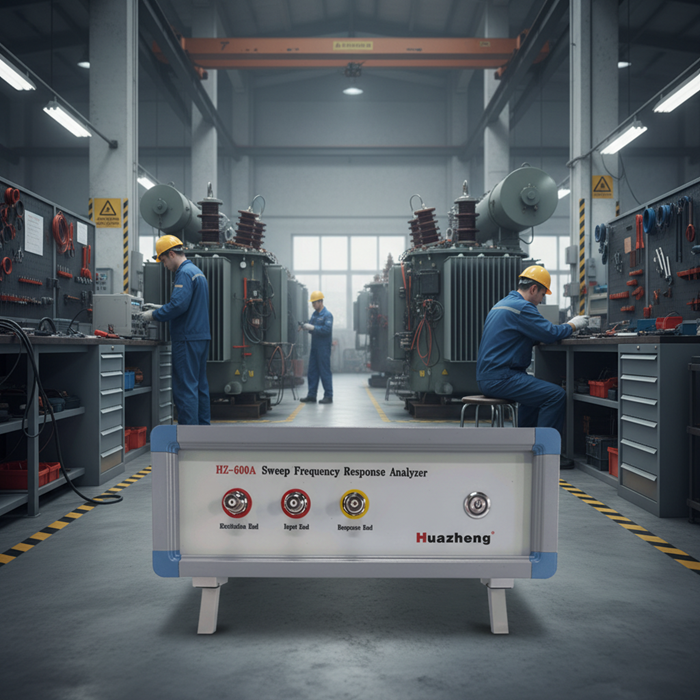
For decades, DC hipot was the default way to acceptance-test a new MV cable run. It was cheap, the gear was light, and nobody had a better option. Then utilities started pulling failed XLPE cables out of the ground a few months after a clean DC test, and the industry slowly figured out what was goin
View details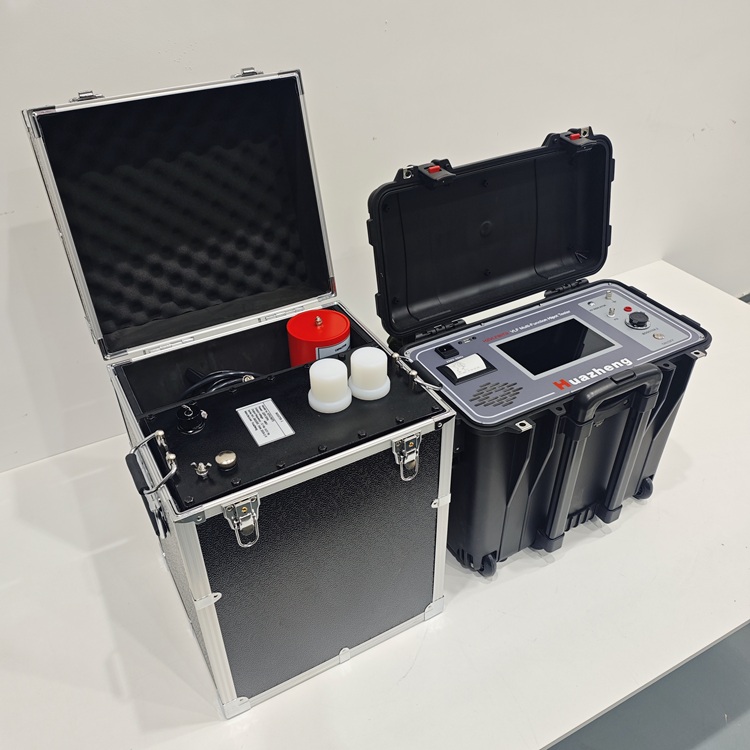
One of the first questions anyone new to megohmmeter work asks is: *"Which voltage should I actually set?"* Pick too low and the test is meaningless. Pick too high and you risk puncturing insulation that was perfectly fine before you touched it. The good news is, with a **Huazheng insulati
View details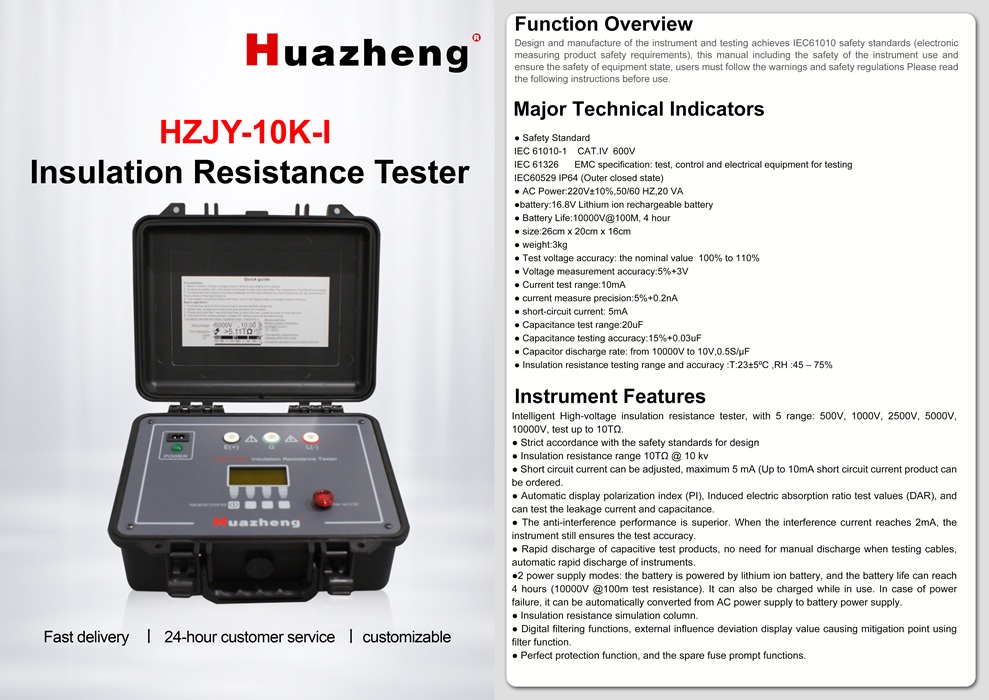
![[sort:name]](/static/upload/image/20231109/1699520298738135.jpg)
 +8618330222305
 +8618330222305
 sales08@bdhuazheng.com
 0086-18330222305
 Julia Jin-huazheng
